

Guiding families through unique child development journeys

Gross motor milestones
Physical literacy develops through sensory play and exploration.

Emotional regulation
Parental co-regulation builds strong internal resilience and empathy.

Positive discipline
Fostering growth mindset and emotional intelligence.

Neurodiversity support
Recognizing neurodivergent profiles and learning needs
Standardized curricula often overlook neurodivergent profiles. A child struggling with rote memorization might excel in spatial reasoning or creative arts. Identifying these cognitive aptitudes early transforms academic frustration into self-advocacy. Educators and guardians collaborating on Individualized Education Programs ensure every learner finds their path. Patience unlocks hidden cognitive potentials effectively, creating inclusive environments for growth.
Structured games for social skills
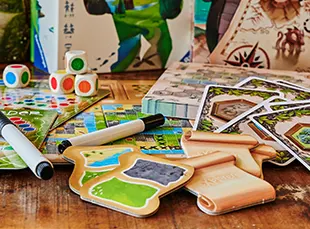
Cooperative tabletop games
Turn-taking teaches impulse control and strategy, fostering conflict resolution without the pressure of online ranking.
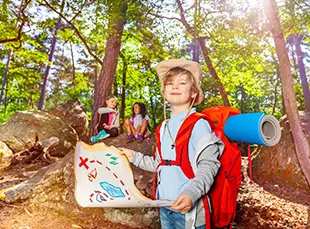
Sensory scavenger hunts
Searching for botanical items builds mindfulness and connects children physically with their local ecosystem.

Imaginative role-play
Wearing costumes allows kids to explore social roles and process emotional scenarios in a secure attachment setting.
Strengthening attachment through shared rituals
Reducing anxiety through predictable rituals
Morning autonomy routines
Visual schedules reduce anxiety by letting children predict steps. Simple tasks like packing lunches foster executive function and reduce parental burnout significantly.
Evening co-regulation time
Reading stories signals the circadian rhythm to rest. This mindful transition strengthens secure attachment while improving early literacy and calming the nervous system.
Weekend connection traditions
Dedicated time for bonding or walks creates core memories. These predictable events provide emotional safety and belonging that anchors children during turbulent growth spurts.
Building preventative health habits



Navigating the digital wellbeing dilemma
The online ecosystem offers vast resources but requires media literacy. Setting parental controls around usage prevents compulsive scrolling. Adults acting as digital mentors rather than gatekeepers encourages cyber-safety dialogue. This proactive approach helps children distinguish between educational apps and passive entertainment, fostering healthier tech-life balance.
Algorithms are designed to keep attention fixed, challenging a child’s dopamine regulation. Discussing data privacy demystifies the allure, empowering young users to make conscious choices rather than consuming endless feeds. Digital citizenship provides the best defense against the subtle persuasive design triggers embedded in modern platforms.
Fostering cognitive flexibility through arts

STEM exploration kits
Magnifying glasses and journals turn a garden into a biodiversity laboratory for young ecologists.

Upcycled art projects
Transforming cardboard boxes into castles encourages sustainability and spatial reasoning through maker-space construction.

Auditory experimentation
Simple percussion instruments help children understand rhythm, pattern recognition, and sensory integration naturally.